10 Key Things You Must Know About Bridging Visas in Australia
April 9, 2026

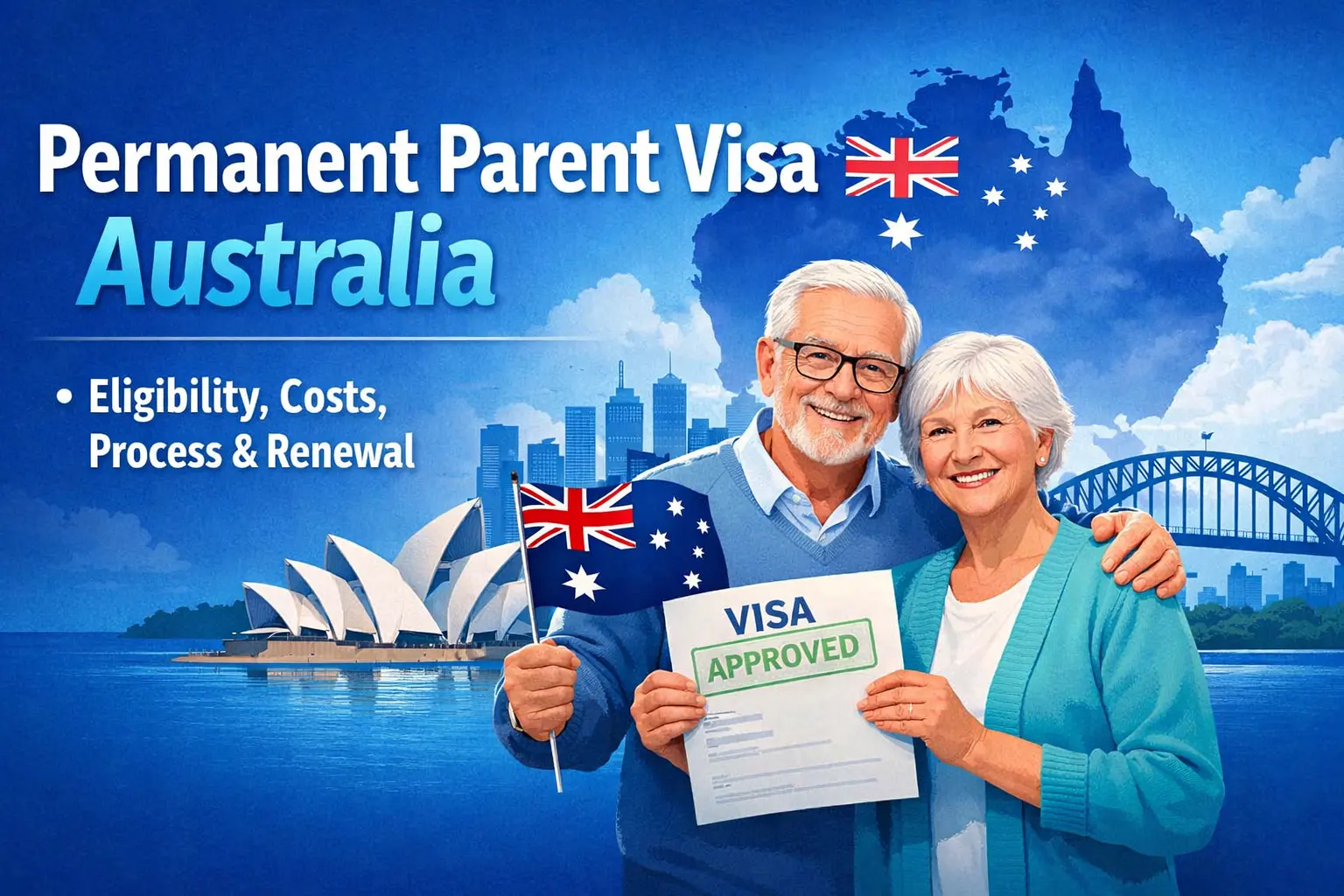
Bringing your parents to Australia to live with you permanently is one of the most rewarding decisions you can make as an Australian citizen or permanent resident. If you’ve built your life here and want your parents to be part of it, understanding the parent visa Australia options available is your first step toward family reunion.
At Opal Consulting, we’ve helped countless families navigate the complexities of Australia parent visas. This guide walks you through everything you need to know about permanent parent visas, including eligibility requirements, costs, the application process, and what happens when it’s time to renew.
When it comes to securing a visa for parents to Australia, you have several pathways to choose from. Each option serves different circumstances, budgets, and timeframes.
Before diving into the specifics, it’s helpful to understand the distinction between permanent and temporary options:
Permanent parent visas grant your parents the right to live in Australia indefinitely. They’ll have access to Medicare after a waiting period and can eventually apply for citizenship. These visas come in two main types: contributory and non-contributory.
Temporary parent visas (Subclass 870) allow your parents to stay for up to five years at a time but don’t lead to permanent residence. They’re a practical option if your parents want flexibility or if permanent visas are financially out of reach.
Many families also consider visitor visas as a starting point. Parents of Australian citizens and permanent residents can obtain extended visitor visas allowing stays of up to 12 months within an 18-month period. While you can’t extend tourist visas indefinitely, they offer a cost-effective way for your parents to spend significant time with you while you plan for a longer-term solution.
Australia offers four main permanent parent visa categories, split between contributory and non-contributory options. Your parents’ age determines which category they can apply for.
This visa is for parents under 67 years of age. While the application fees are considerably lower than contributory options, the trade-off is a processing time that currently extends beyond 20 years in many cases.
Key details:
The extended processing time makes this option impractical for most families who want their parents to join them within a reasonable timeframe.
This permanent visa is for parents under 67 who are willing to make a substantial financial contribution to offset potential costs to the Australian community. Processing times typically range from 48 to 60 months.
Key details:
Many applicants choose to apply for the two-stage process, starting with Subclass 173 (temporary contributory) before transitioning to the permanent 143 visa.
For parents 67 years and older, the Aged Parent Visa offers a non-contributory pathway. Like Subclass 103, it has significantly lower fees but comes with processing times exceeding 20 years.
Key details:
The bridging visa is a significant advantage of this option, allowing your parents to stay with you while their application is assessed.
This is the fastest permanent option for parents 67 and older. It requires the same substantial contribution as Subclass 143 but offers much quicker processing.
Key details:
If your parents are already in Australia on a visitor visa and over 67, they can apply for this visa and remain in the country on a bridging visa while their application is processed.
If paying the full contributory amount upfront seems daunting, Australia offers a two-stage process that spreads the cost over time:
This staged approach makes contributory visas more accessible while still keeping you in the queue for permanent residence.
To sponsor your parents, you must meet specific criteria:
You must be:
You can sponsor:
Your parents must meet several requirements to qualify for any permanent parent visa category.
This is the most critical requirement. Your parents must pass the balance of family test, which means:
At least half of their children (including step-children) must be:
Example: If your mother has three children total, at least two must be settled in Australia for her to pass this test.
Step-children are included in this calculation, which can sometimes work in your favour or complicate matters depending on your family structure.
What if they don’t pass the balance of family test?
If your parents can’t meet this requirement, they won’t qualify for permanent parent visas. However, they can still apply for the temporary Sponsored Parent Visa (Subclass 870), which doesn’t require this test.
If your parent has a partner who doesn’t meet the age requirement, the younger partner can still be included as a secondary applicant on an aged parent visa application.
All parent visa applicants must meet Australia’s health and character standards.
Health requirements include:
Character requirements involve:
Your parents may be asked to provide additional information if they have a criminal history or certain medical conditions. Some health conditions can be waived with adequate assurance arrangements.
All permanent parent visa applications require an Assurance of Support. This is a legal commitment that someone (usually the sponsor) will provide financial support to your parents if needed, ensuring they won’t rely on Australian social security payments.
AoS support period:
The period starts when the visa is granted.
Who can be an assurer?
An assurer must:
The income threshold varies depending on the number of people being assured and whether you have a co-assurer.
Applying for a Australia parent visa requires careful preparation and attention to detail. Here’s how the process works:
Before starting, confirm that:
You’ll need extensive documentation, including:
For your parents:
For you (the sponsor):
Some parent visas require you to submit an expression of interest before applying. This places you in the queue.
Once you have an invitation to apply (if required) or are ready to proceed directly:
Can you apply onshore or offshore?
This depends on the visa subclass:
If your parents are already in Australia on a tourist visa and are 67 or older, they can apply for an aged parent visa and remain in Australia on a bridging visa. However, if they’re under 67 and apply for a parent visa while onshore, they won’t receive a bridging visa and must leave Australia before their visitor visa expires.
The AoS application is separate from the visa application and is processed by Centrelink. You’ll need to:
The AoS must be approved before your parents’ visa can be granted.
Your parents will be asked to complete medical examinations by panel physicians approved by the Department of Home Affairs. Book these appointments only after receiving instructions from the Department, as medicals are valid for only 12 months.
This is where patience becomes essential. Processing times vary dramatically:
During this time, the Department may request additional information or clarification on any aspect of the application.
If approved, your parents will receive their visa grant notice with details about their visa conditions, work rights, and travel validity period.
The financial investment for parent visas is substantial, particularly for contributory options. Here’s a breakdown of what you’ll pay.
Non-Contributory Parent Visas (103/804):
Contributory Parent Visas (143/864):
Temporary Contributory Parent Visas (173/884):
Assurance of Support bond:
Medical examinations:
Police certificates:
Migration agent fees:
Additional family members:
If the contributory visa costs seem prohibitive, consider:
This is one of the most common questions we receive at Opal Consulting. The answer is: it depends on several factors.
Australian visitor visas typically allow stays of 3, 6, or 12 months. Parents of Australian citizens and permanent residents often qualify for longer validity visas.
Generally, visitor visa extensions are possible but not guaranteed. Extensions are typically granted for:
However, repeatedly extending visitor visas to circumvent other visa requirements is not appropriate. If your parents want to stay long-term, a parent visa or Sponsored Parent Visa (870) is the proper pathway.
As mentioned earlier, parents can apply for certain parent visas while in Australia on a tourist visa:
Aged parent visas (67+): Can apply and receive bridging visa Parent visas (under 67): Can apply but no bridging visa granted – must depart before tourist visa expires
This strategy works well for parents over 67 who want to be with you while their visa processes.
If you’re looking for a shorter-term solution before pursuing permanent options, here’s how to apply for a visitor visa for your parents.
Step 1: Determine the appropriate stream
Step 2: Complete online application
Step 3: Required documents
Step 4: Pay application fee
Step 5: Wait for processing
Once your parents receive their permanent parent visa, they’ll enjoy most of the rights of Australian permanent residents.
Your parents can:
Parents on contributory visas typically don’t have a waiting period for Medicare enrollment. However, those on non-contributory visas may face a waiting period before accessing Medicare benefits.
All permanent parent visas grant unrestricted work rights. Your parents can work full-time, part-time, or start their own business without any limitations.
The initial visa grant includes a five-year travel facility. This means your parents can leave and return to Australia as many times as they wish within five years of the visa grant date.
Here’s an important point: permanent residence doesn’t expire, but your ability to return to Australia after traveling does.
After the initial five-year travel facility expires, your parents will need a Resident Return Visa (RRV) to return to Australia if they travel overseas.
Five-year RRV (Subclass 155):
Three-month RRV (Subclass 155):
Applications are straightforward and can be completed online:
To keep permanent residence status, your parents should:
If permanent residence isn’t feasible or desired right now, the temporary Sponsored Parent Visa (Subclass 870) offers a practical alternative.
Visa duration:
Benefits:
Limitations:
This option works well for parents who:
Bringing your parents to Australia is an investment in your family’s future together. While the process can seem overwhelming, you don’t have to navigate it alone.
At Opal Consulting, we’ve successfully processed hundreds of parent visa applications. We understand the emotional importance of reuniting families and the practical challenges of meeting all requirements.
Whether you’re just starting to explore options or ready to begin your application, we’re here to help every step of the way.
Yes, if your parents are married or in a de facto relationship, one can be the main applicant and the other can be included as a secondary applicant on the same application.
Your parent won’t qualify for permanent parent visas but can apply for:
All permanent parent visas grant full work rights. The temporary Subclass 870 visa does not include work rights.
You must notify the Department of any significant changes:
March 16, 2026
March 12, 2026
February 17, 2026

February 10, 2026
Join our FB Group page for regular updates on Immigration changes